Remember the little green-and-yellow carts at the mall? Where did they go?
The kids' rides have vanished from the malls, yet homes are full of cats and dogs. The urge to nurture may still be there, just pointed somewhere new.
Remember the little green-and-yellow carts at the mall?
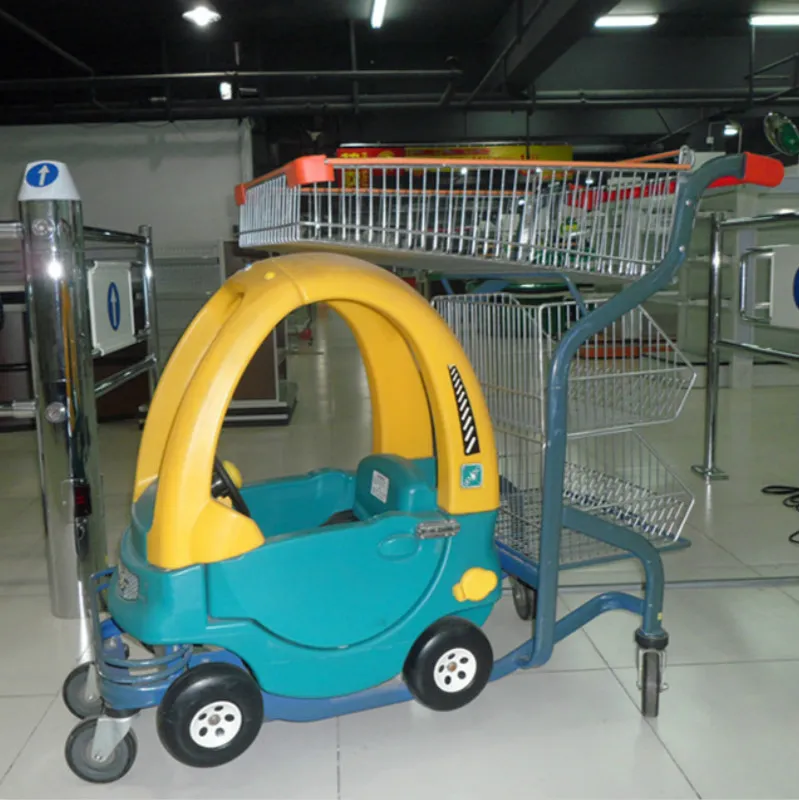
When I was a kid, almost every mall had carts like this for children to sit in and “drive.” Even Lotus’s had a ball pit for kids, and a stage for magic shows too.
These days I hardly see them anymore. In Bangkok, only a few places are left. Go back to the malls today and you barely see any kids.
Where did they go?
Fewer kids, more pets
I think it’s because people are having fewer children, especially in cities.
But at the same time, one market is growing in the opposite direction. The pet market keeps growing steadily, over the same years that the birth rate has been falling.
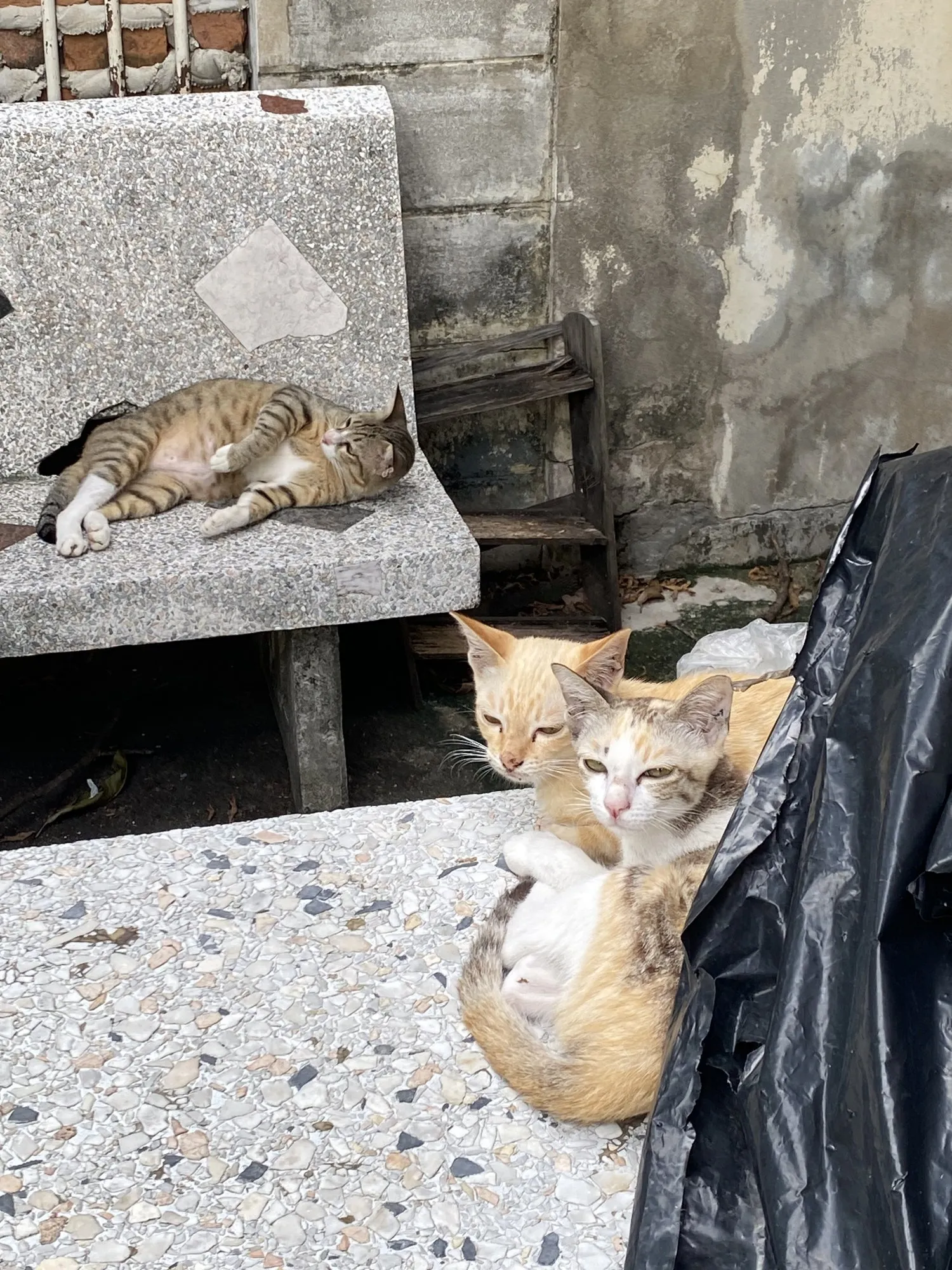
So I started to wonder: could these two things be the same story?
My theory: the instinct is still there, it just has a new target
This part is my own theory.
I think people’s instinct to nurture is the same as it always was. What has changed is where it goes.
Throughout human history, people have lived in families, and children have always been part of them. War, famine or plague, people still had kids. Right after the Second World War ended, so many babies were born that the whole generation got called the Baby Boomers.
People were used to having a room for the kids, children running around the neighborhood, a playground nearby. That suggests our brains are built to expect children around us all the time.
But that picture has faded in today’s society. And whatever the reason people choose not to have kids, whether it’s the cost of living or something else, deep down they may still long for a family, and still long to look after something, the same as before.
With fewer children around, that instinct doesn’t disappear. It just has to find another outlet.
Baby schema: the faces our brains can’t resist
And many pet breeds happen to have exactly the kind of face our brains respond to most: round heads, big eyes, flat faces.
These features have a name: baby schema. Konrad Lorenz, the Austrian ethologist, proposed back in 1943 that childlike features, such as a large head relative to the body, a high forehead, big eyes and round cheeks, make people find something cute and want to take care of it.1
Later research edited photos of babies’ faces to look more or less babyish, and found that adults rated the more babyish faces as cuter and felt more motivated to care for them.2 And it isn’t only human faces. Young children respond to baby schema in the faces of dogs and cats as well.3
The psychologist John Archer went further. He argued that part of why people love their pets so much is that pets tap into the same mechanisms humans use to raise their children.4
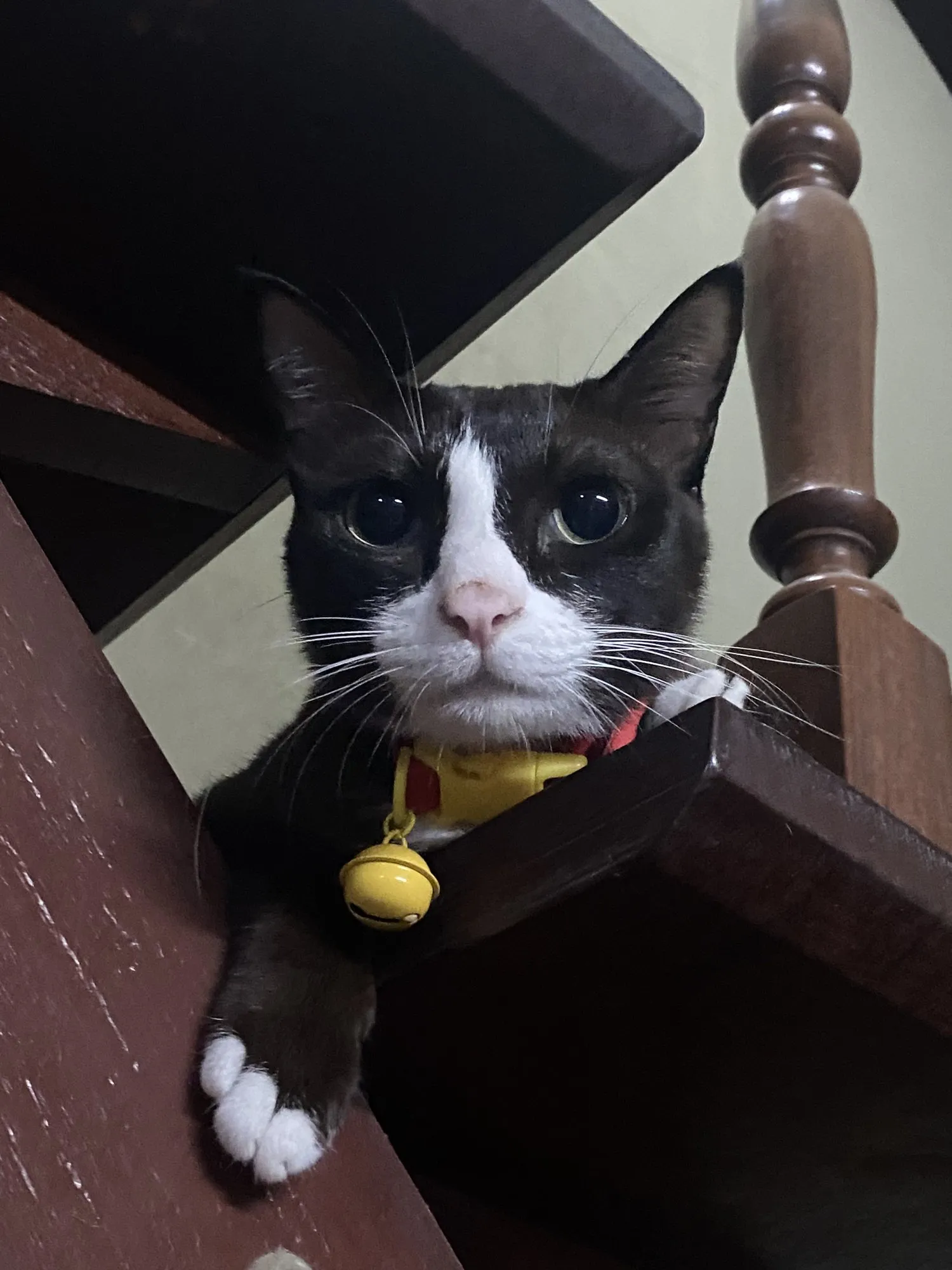
Cats and dogs: a cheaper “little one”?
Put it all together: fewer children around us, an instinct to nurture that hasn’t gone anywhere, and pets with faces that press exactly that button.
So I think people may be using pets as a stand-in “little one,” cheaper and easier to look after, perhaps without even realizing it.
What about you? Why do you keep a pet, and have you ever wondered why?
Footnotes
-
Lorenz, K. (1943). Die angeborenen Formen möglicher Erfahrung. Zeitschrift für Tierpsychologie, 5(2), 235–409. ↩
-
Glocker, M. L., Langleben, D. D., Ruparel, K., Loughead, J. W., Gur, R. C., & Sachser, N. (2009). Baby schema in infant faces induces cuteness perception and motivation for caretaking in adults. Ethology, 115(3), 257–263. ↩
-
Borgi, M., Cogliati-Dezza, I., Brelsford, V., Meints, K., & Cirulli, F. (2014). Baby schema in human and animal faces induces cuteness perception and gaze allocation in children. Frontiers in Psychology, 5, 411. ↩
-
Archer, J. (1997). Why do people love their pets? Evolution and Human Behavior, 18(4), 237–259. ↩